


Welcome to
HandMadeSword.com
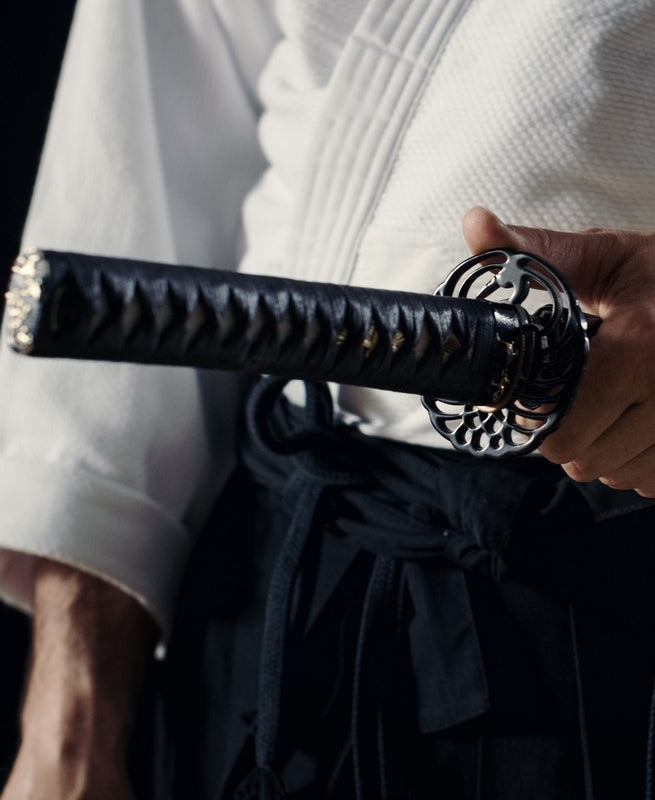
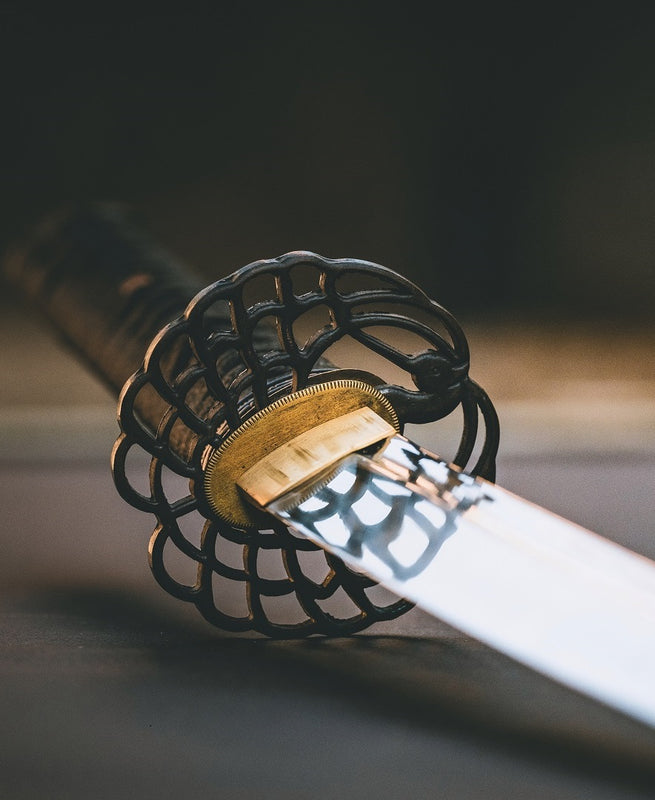
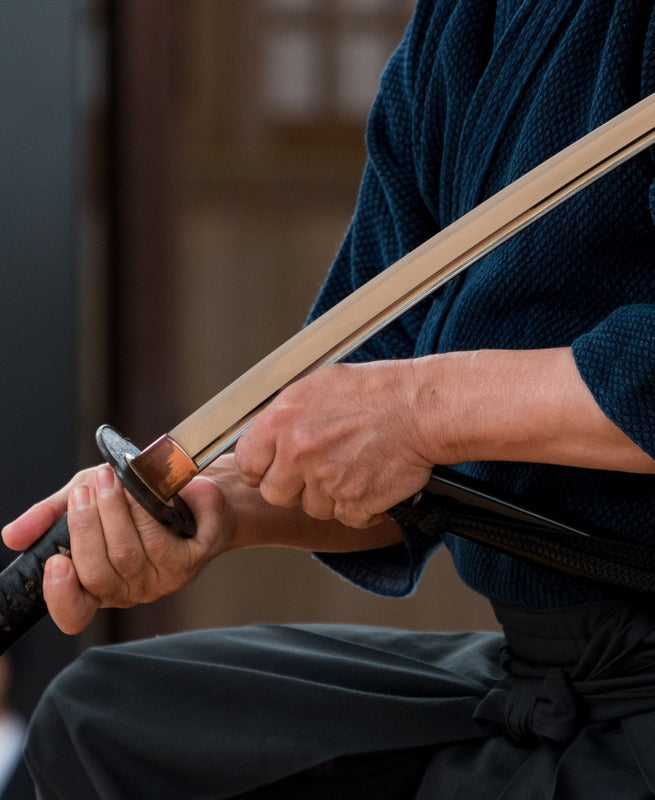
Handmade Sword has a full range of Replica Japanese Style Samurai Katana Swords. We have been offering high quality Katana, Wakizashi, Tanto, Movie Replica and sword accessories internationally with wholesale and retail price range for more than 19 years. All the swords are fully handmade and functional.


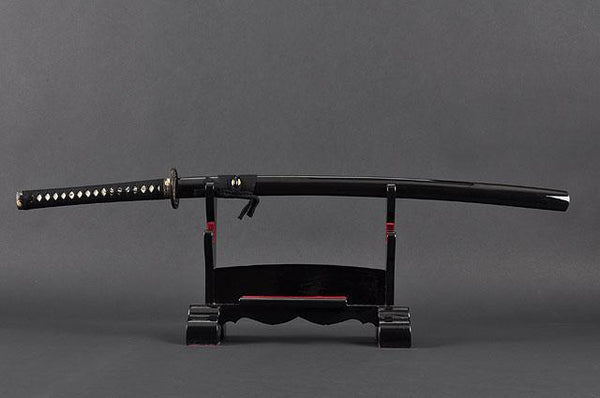
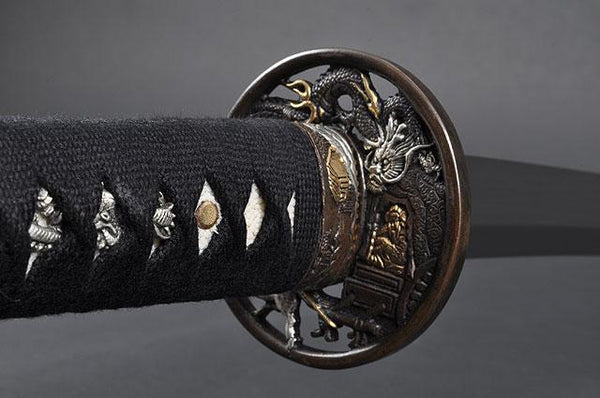


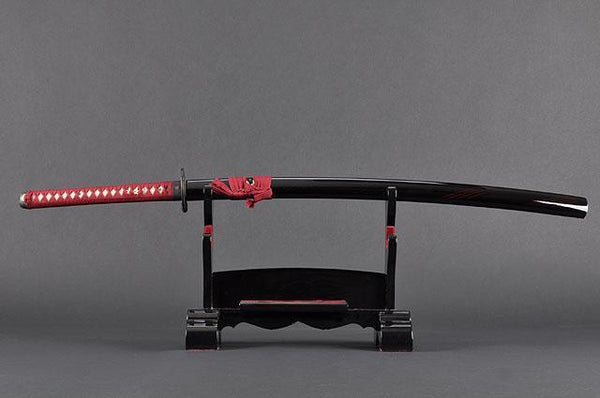
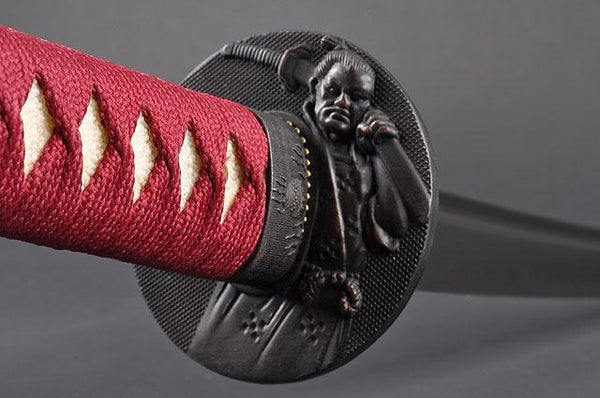


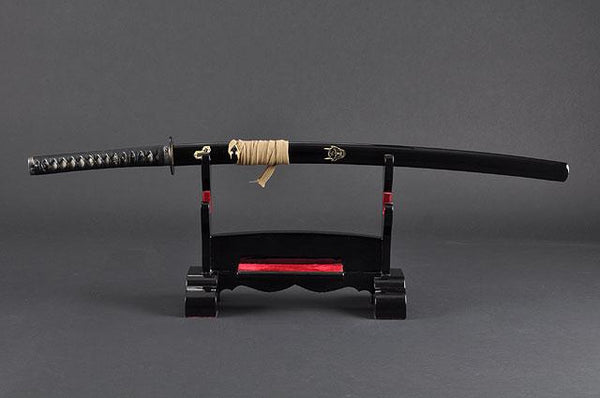
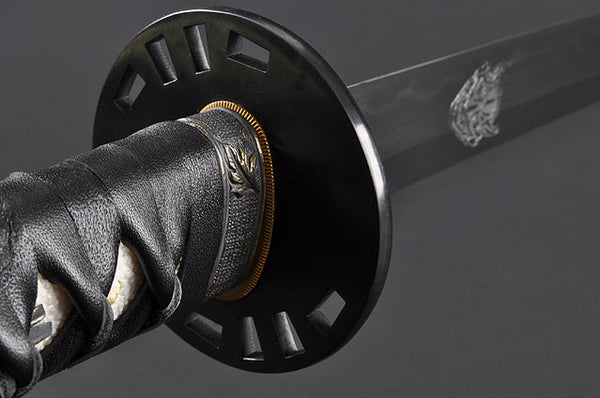


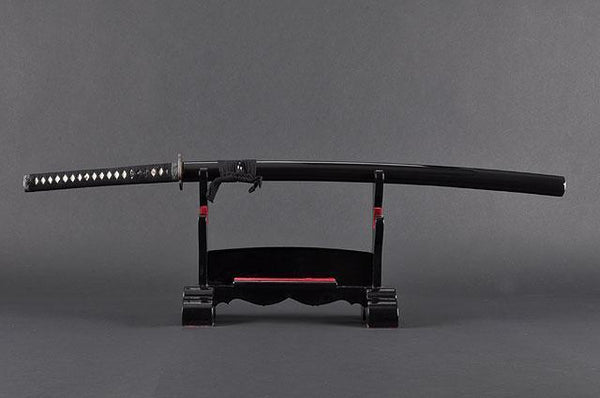
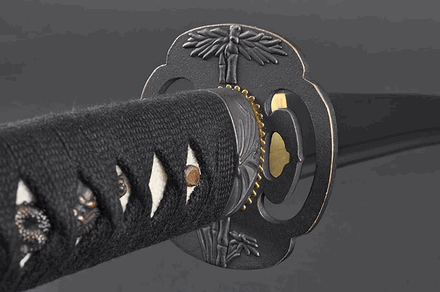


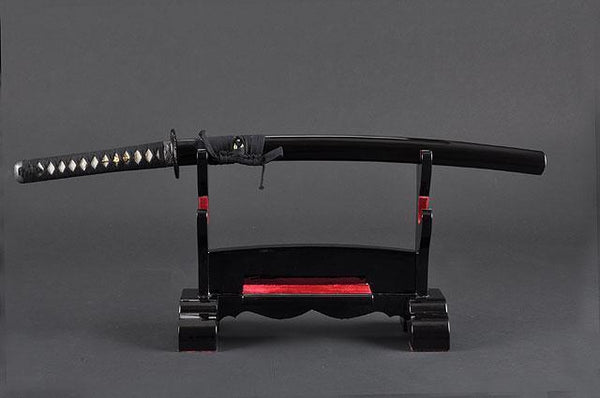
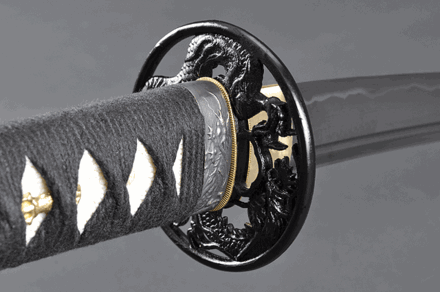


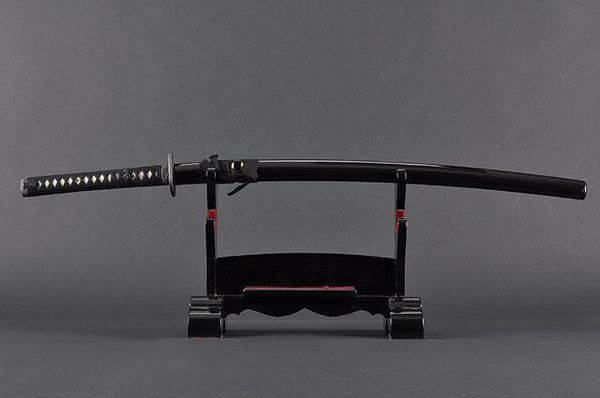
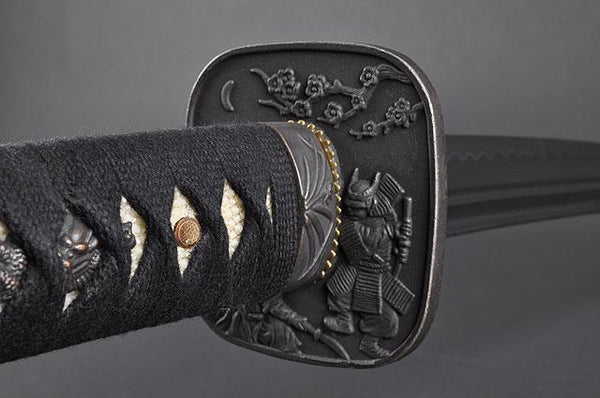


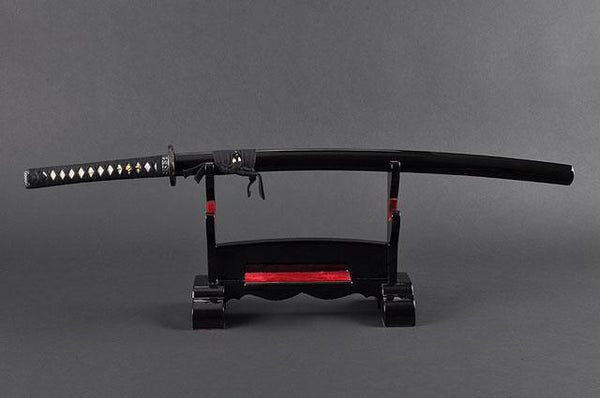
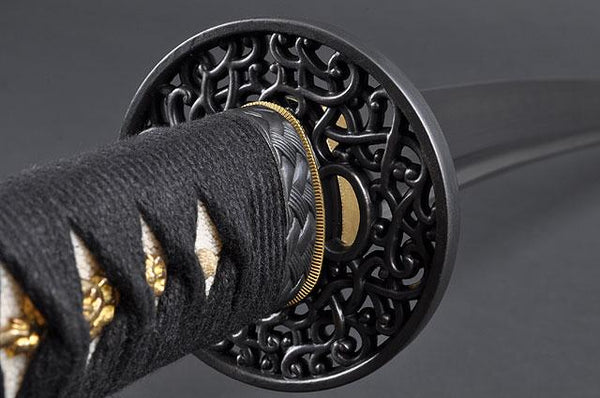


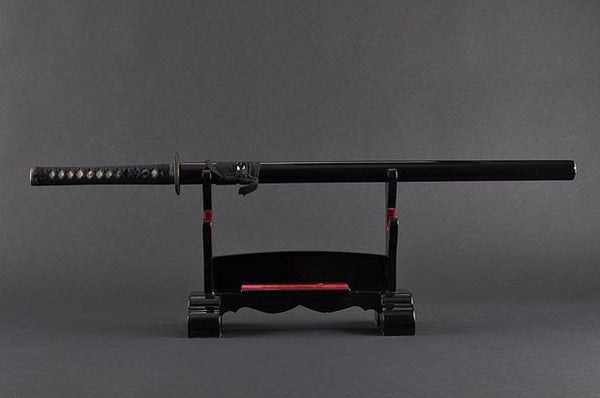
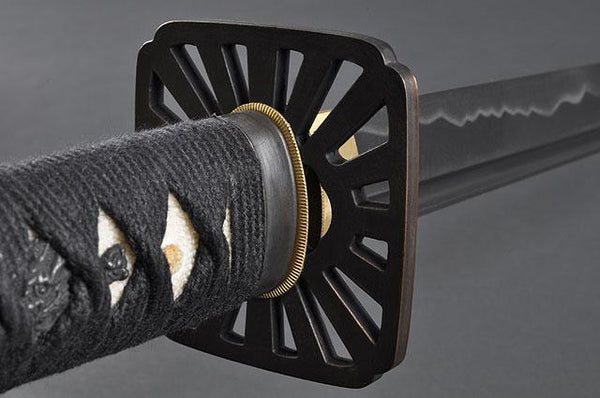


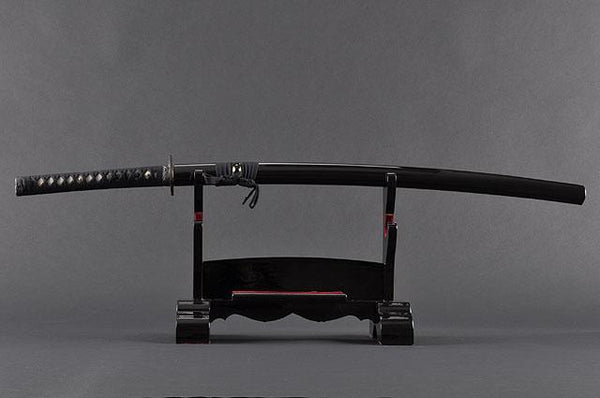
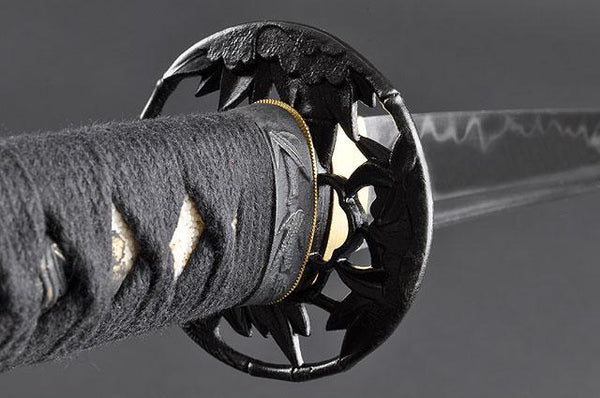


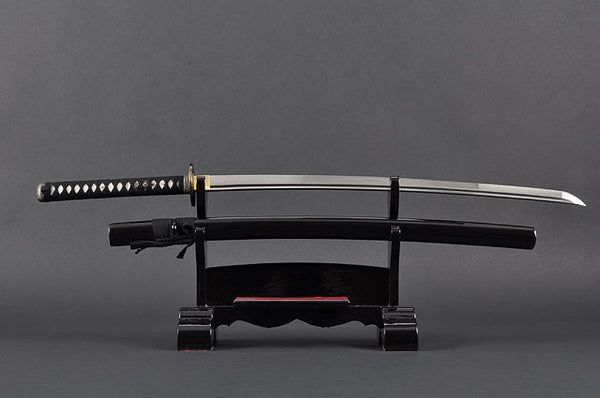
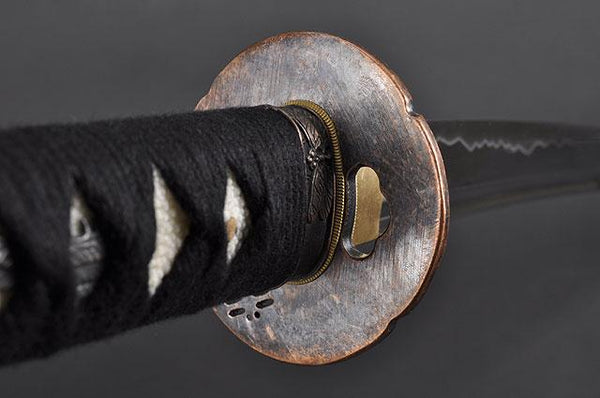


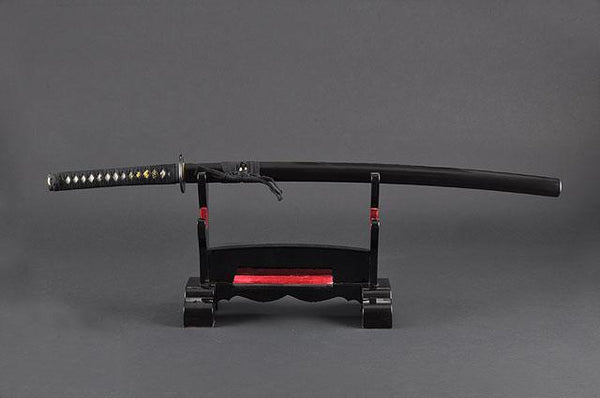
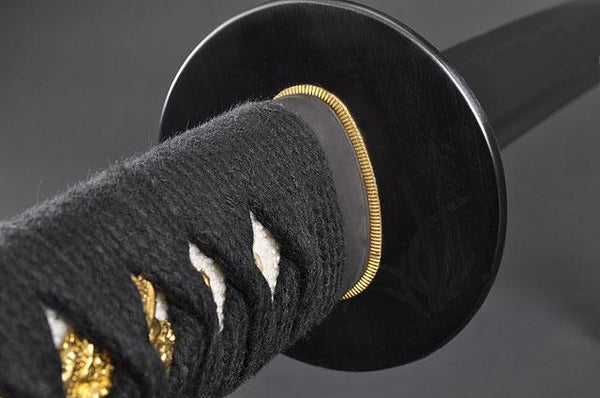


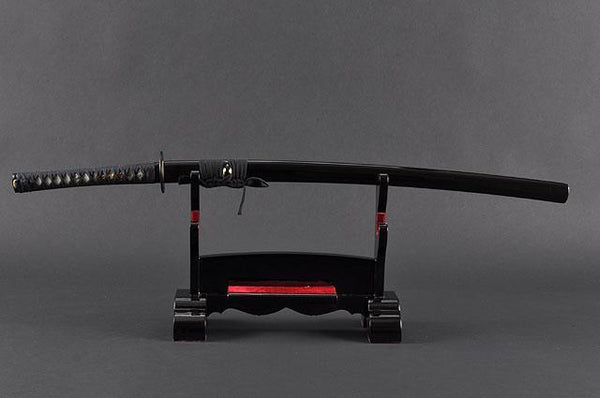
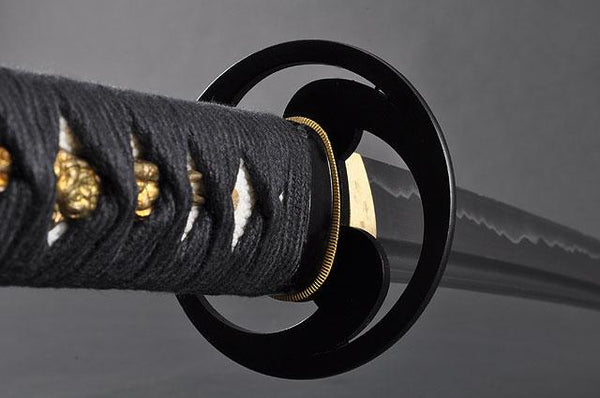


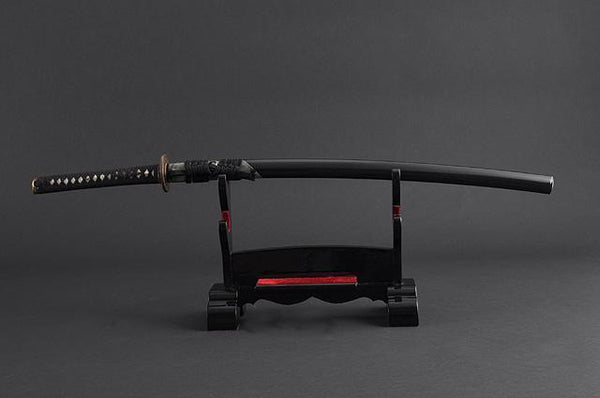
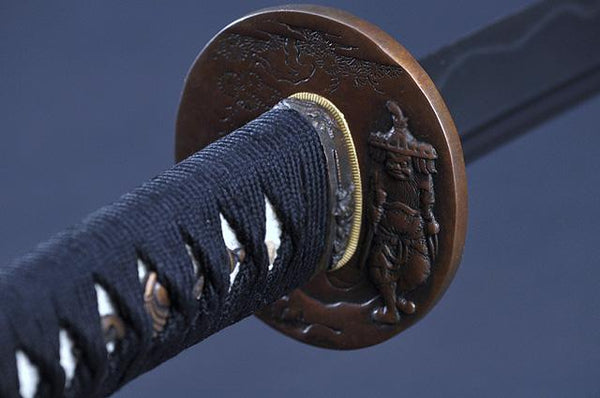


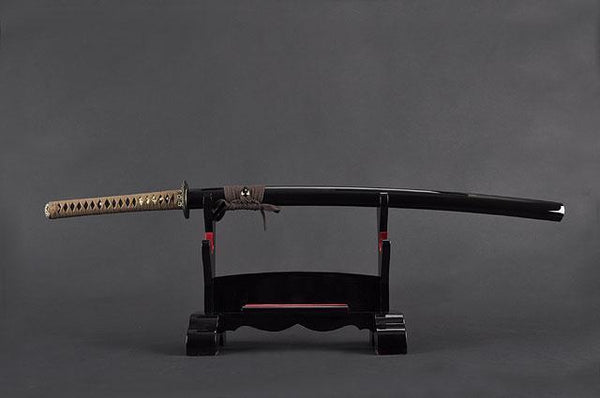
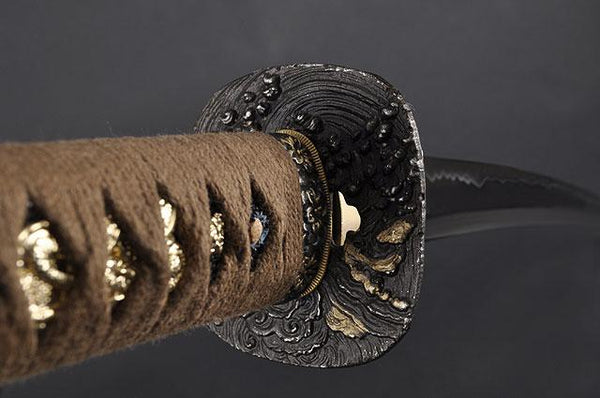


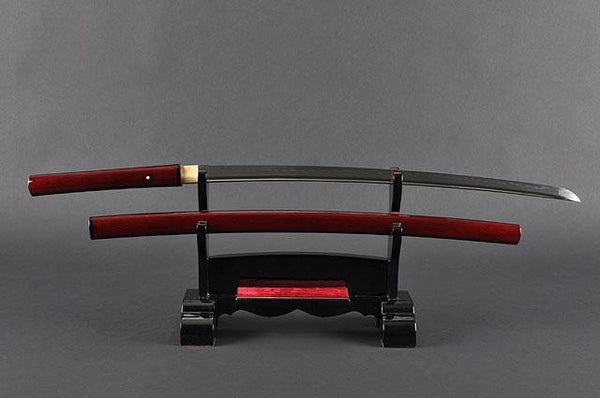
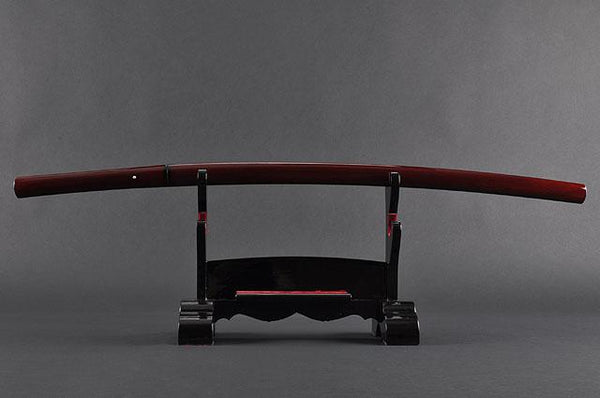


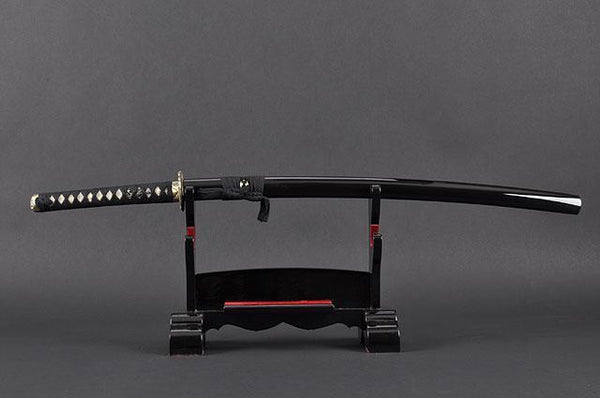
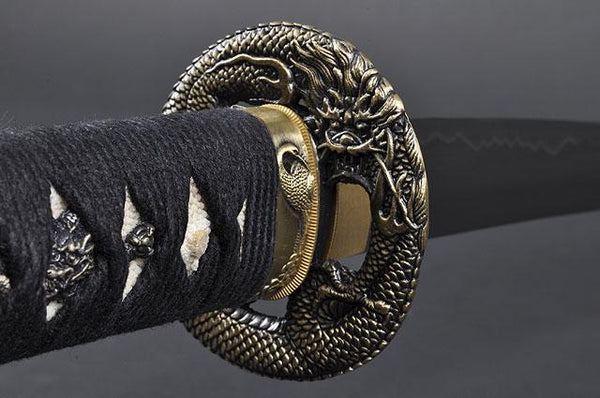


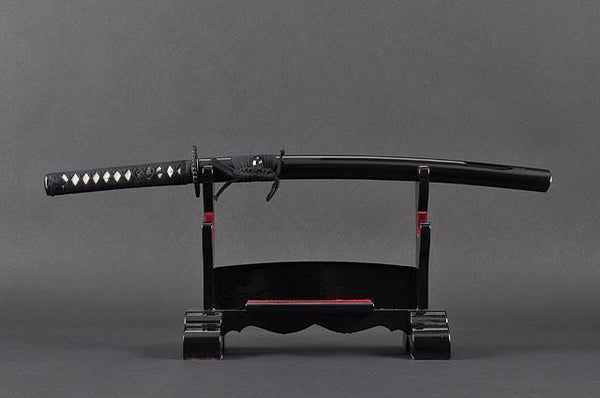
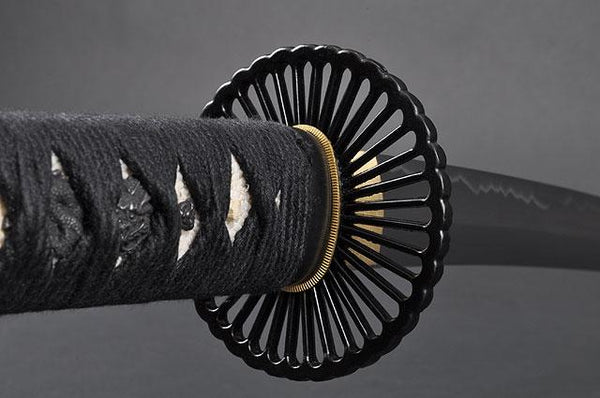


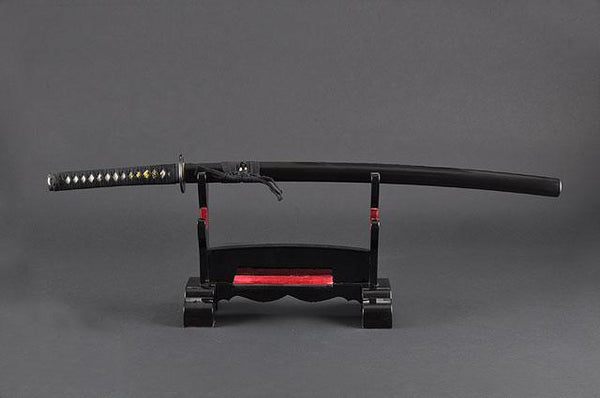
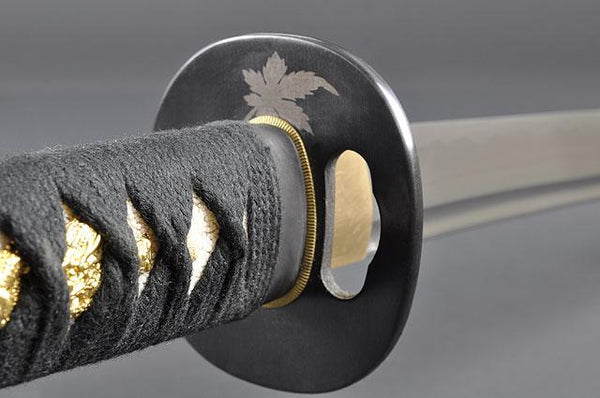


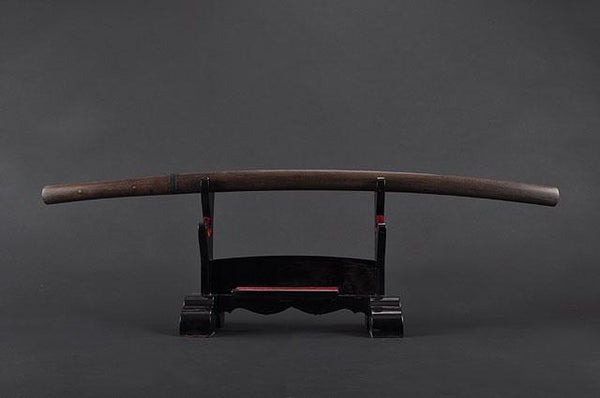
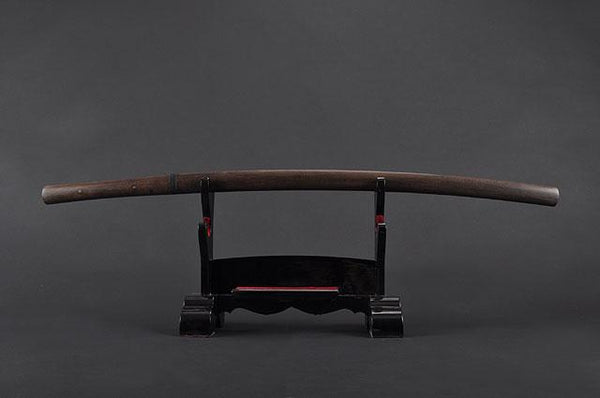


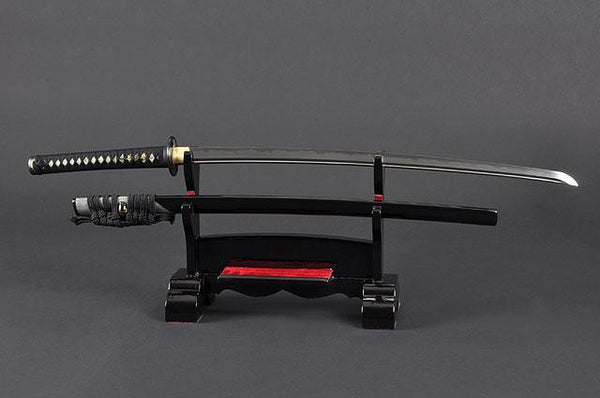
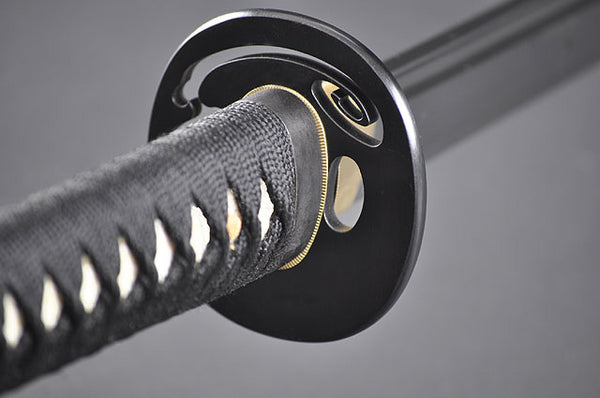


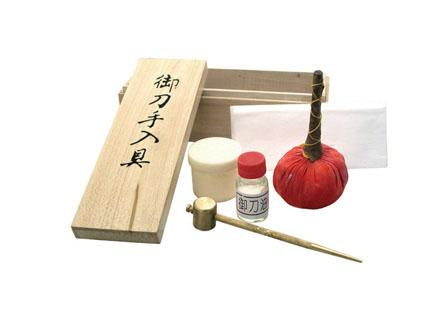













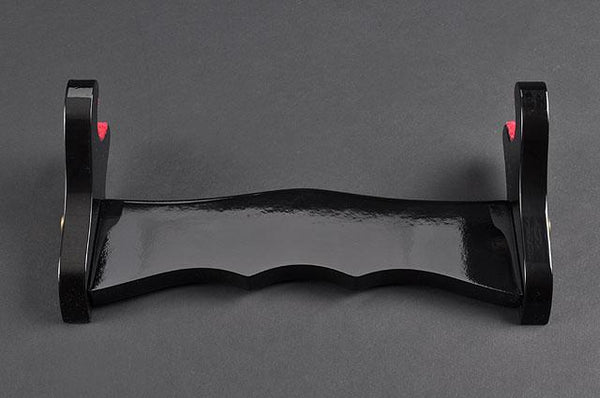
Katana, Wakizashi, Tanto, Unsharpened & Blade in Shirasaya
GET YOUR OWN HANDMADE SWORDS
Incredibly Detailed | Full Control | Fun & Easy
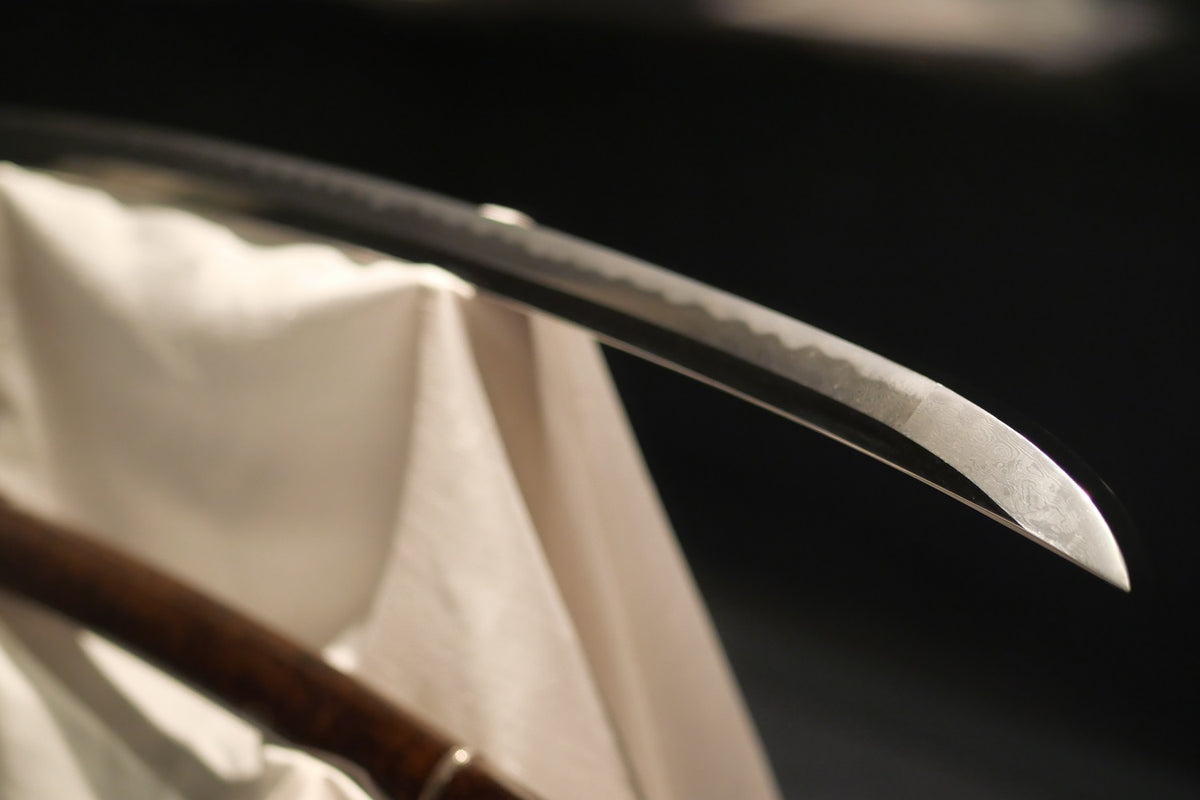
QUALITY
Our vast selection of steel grades allows us to provide an assortment of the finest knives and swords.
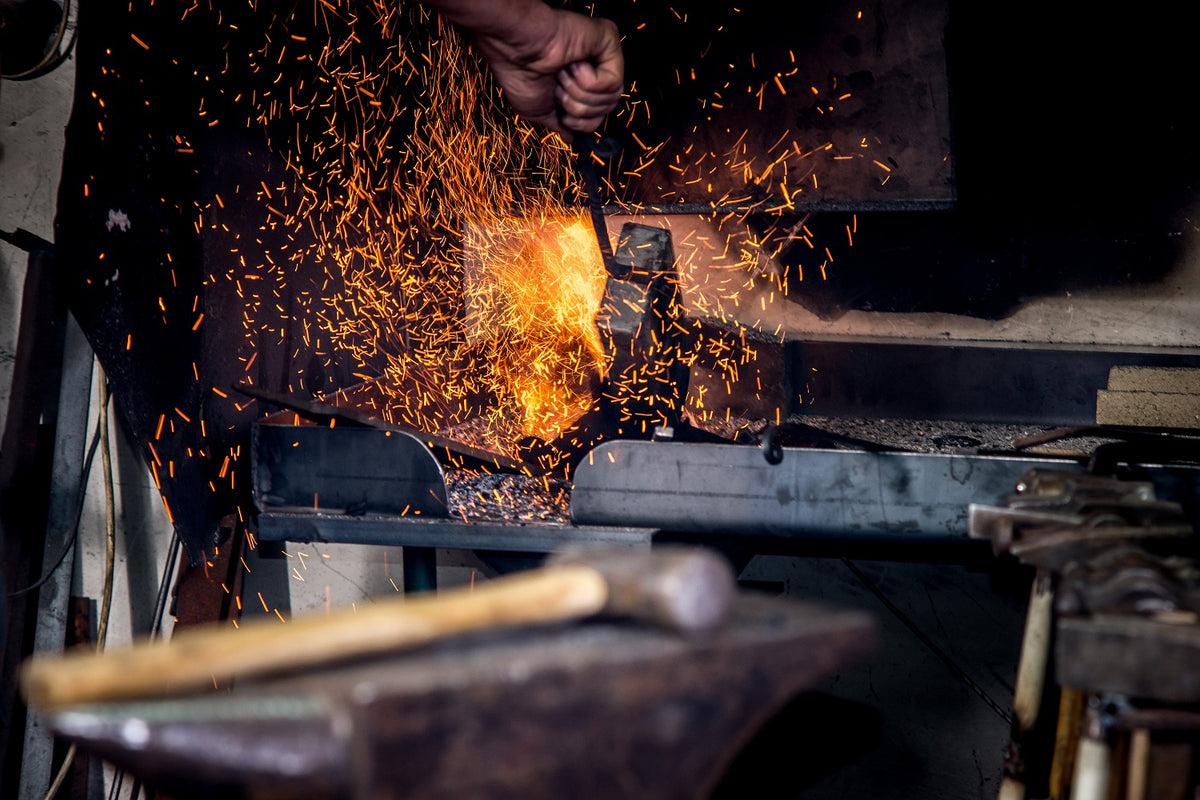
CRAFTSMANSHIP
Excellent craftsmanship of each handmade sword using Traditional methods make it a piece of art.
GUARANTEE
Handmade Sword guarantees high quality swords according to specifications & ensures top notch customer service and fast shipping.
We can help you pick out the perfect sword
Whether you are a collector or a martial artist
High quality carbon steel blades married with top notch materials
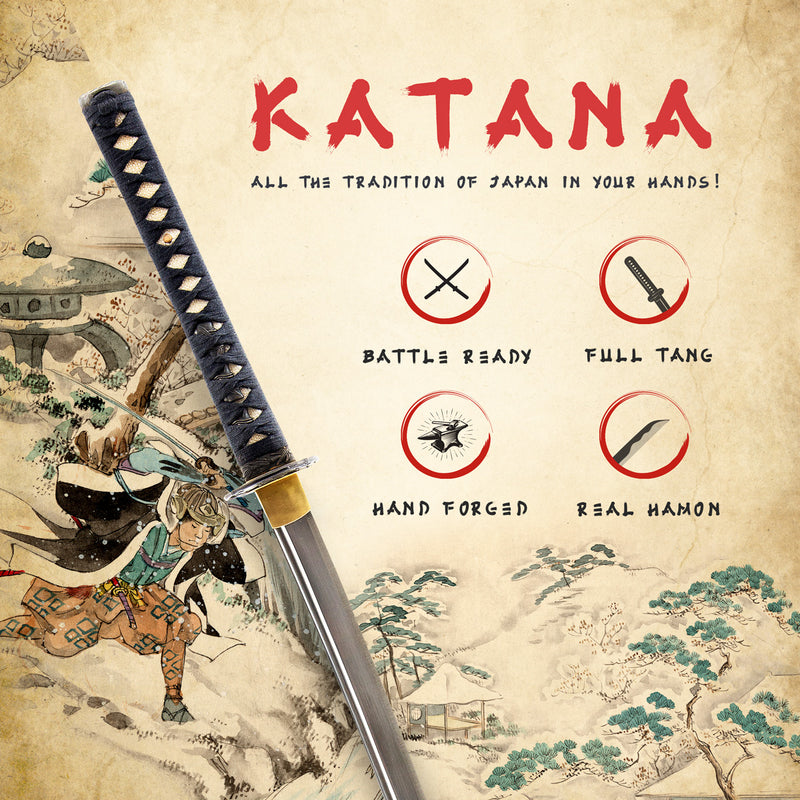
All the Tradition of japan in your Hands
Samurai Katana
-Katana, A long single edged Japanese sword. The katana gets its gentle curve from quenching during forming. It is actually prior to quenching. Differential quenching causes martensite, a steel crystalline structure, to form predominantly in the edge of the blade rather than the back. Katana were the primary weapons of the Samurai.
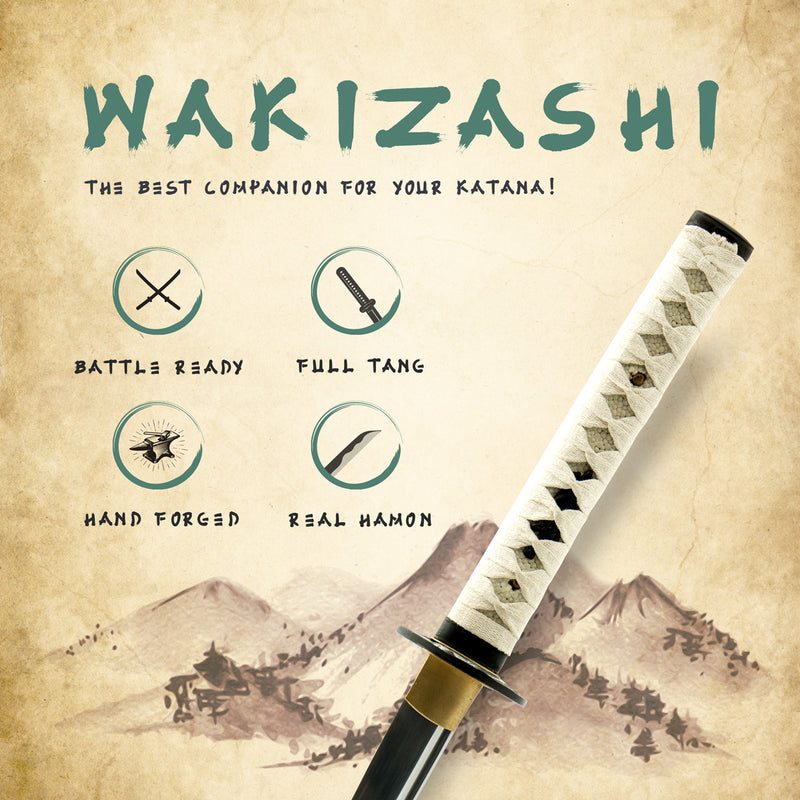
The Best Companion For your Katana
SAMURAI WAKIZASHI
-Wakizashi, A traditional Japanese . It is similar to, but shorter than a katana. The wakizashi was usually worn with the katana by the samurai of feudal Japan. When worn together the pair of swords were called Daisho, which translates literally as "large and small". The wakizashi was often called the companion.
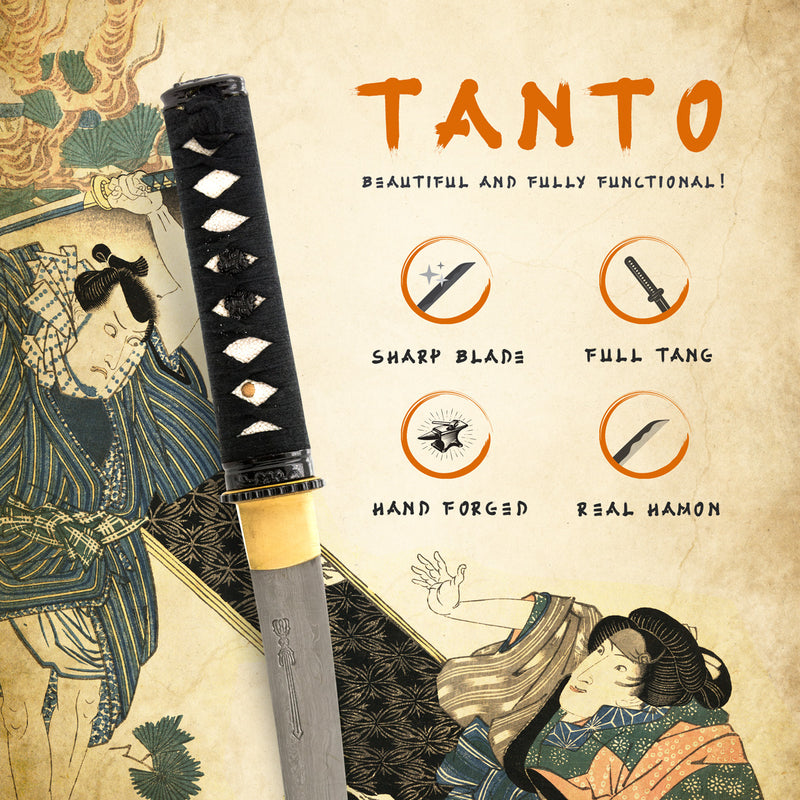
Beautiful and Fully Functional
SAMURAI TANTO
-Tanto, A common Japanese single or, occasionally, double dagger. The tanto was designed primarily as a stabbing instrument, but the edge can be used to slash as well. Tanto first began to appear in the Heian period, however these blades lacked any artistic quality and were purely weapons.
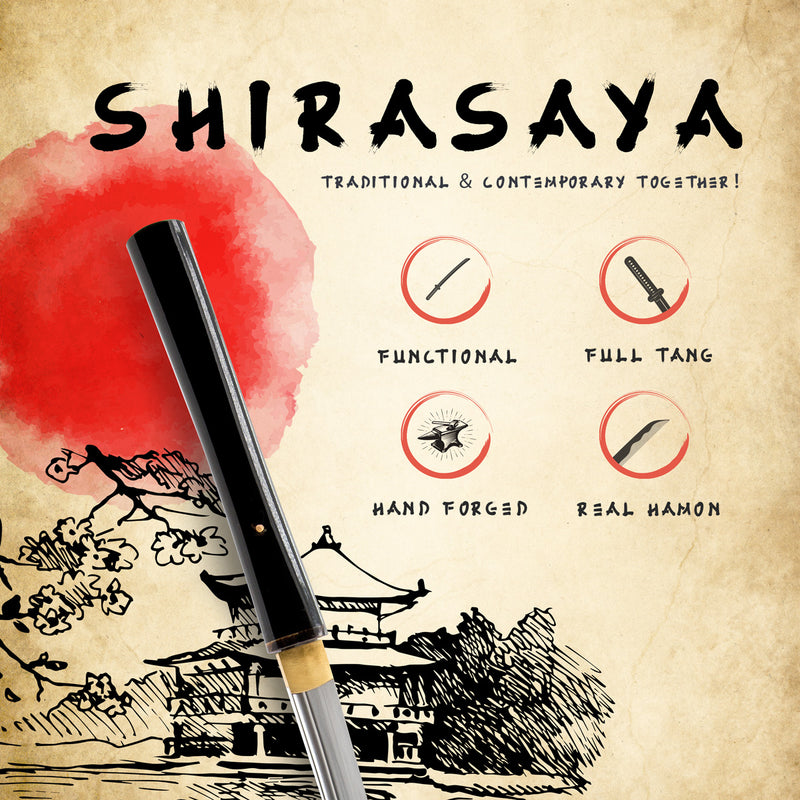
Traditional & Contemporary Together
Blade in Shirasaya
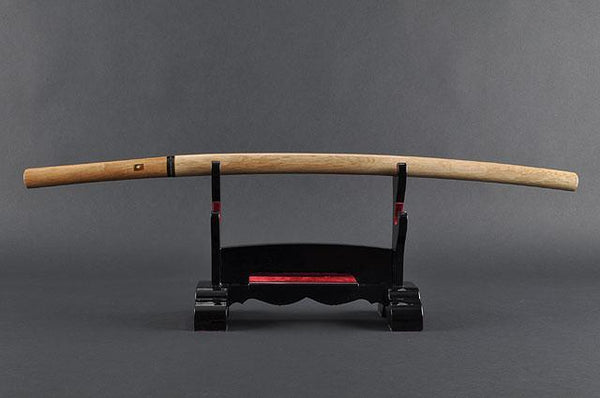
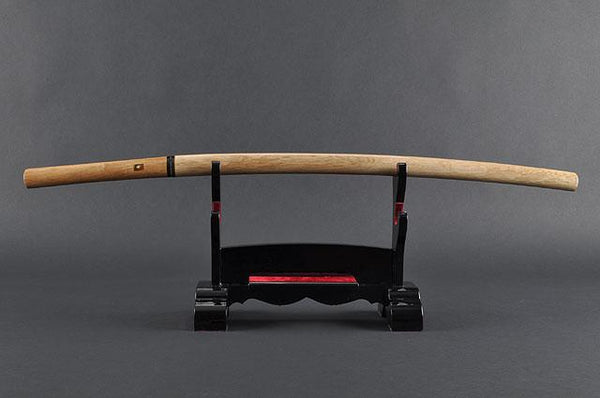
-Shirasaya, is a plain wooden Japanese blade mount consisting of a saya and tsuka, used when a blade was not expected to see use for some time and needed to be stored.